Phone Number Library: Phone Number List by Country for B2C & B2B Outreach
A phone number library is an organised collection of phone number lists by country. It helps businesses run cleaner, faster outreach by choosing the right market (country) and the right audience (B2C or B2B), then applying filters like city/region or industry where available.
If you want to expand into new locations, run international campaigns, or simply stop wasting dials on broad, untargeted data, a structured telephone number database (library format) is the most practical way to start.
On this page
What is a phone number library?
Who uses it + common use cases
B2C vs B2B lists (what to choose)
What fields are included?
Phone number list by country (coverage)
Data quality, freshness & updates
Compliance note
How to order the right list
FAQ
What is a phone number library?
A phone number library (also searched as phone number list by country, international phone number database, or telephone number database) is a collection of datasets organised by:
Country (single-country or multi-country campaigns)
Audience type (B2C consumers, B2B businesses, or both)
Channel (mobile numbers for SMS; business/office numbers for calling)
Targeting filters (state/region/city/postcode, industry, and other fields where available)
Instead of buying one broad list and hoping it works, you select a relevant segment for each campaign (country + audience + filters), which typically improves response rate and ROI.
Who uses it (and what for)?
A phone number library is commonly used by:
Sales teams (outbound prospecting and appointment setting where permitted)
Marketing teams (permission-based SMS campaigns and multi-channel follow-up)
Call centres (structured calling lists and ongoing segmentation)
Agencies (country-based campaigns for multiple clients)
Brands expanding internationally (launching in new countries faster)
Common use cases
Telemarketing and outbound sales (where permitted)
SMS marketing to opted-in audiences (where required)
Local campaigns by city/region/postcode (where available)
B2B lead generation by industry and location (where available)
Customer outreach (updates, reminders, renewals) to existing customers
Market research and feedback collection (where permitted)
B2C vs B2B: choose the right phone database
B2C (consumer phone number lists)
B2C lists are designed for consumer outreach such as promotions, reminders, and customer updates. Campaigns typically perform better when you narrow by location and send relevant, timely messages (instead of broad blasts).
B2B (business phone number lists)
B2B lists are designed for business outreach such as prospecting, appointment setting, and service promotion (where permitted). B2B performance usually improves when you filter by industry, location, and (when available) company attributes.
What fields can be included?
Fields vary by country and segment, but a typical record in a phone number library may include:
Phone number (standardised formatting)
Mobile/landline indicator (where available)
Name (first/last name when available)
Location (country/state/city and address/postcode when available)
Email address (optional, when available)
B2B fields (company name, industry/category, role/title when available)
Opt-in/source details (where applicable and available)
Tip: If you need a specific column layout for your CRM/dialer/SMS tool, request a sample file structure before purchase.
Phone number list by country (coverage)
A phone number library is usually organised as a country phone number list collection, so you can select one country at a time or combine multiple countries for an international campaign.
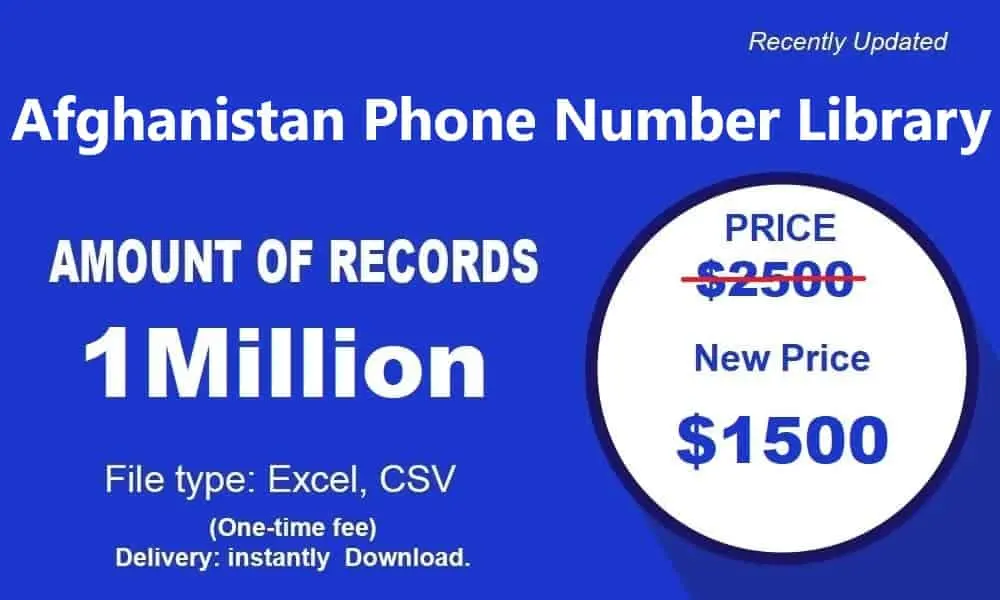
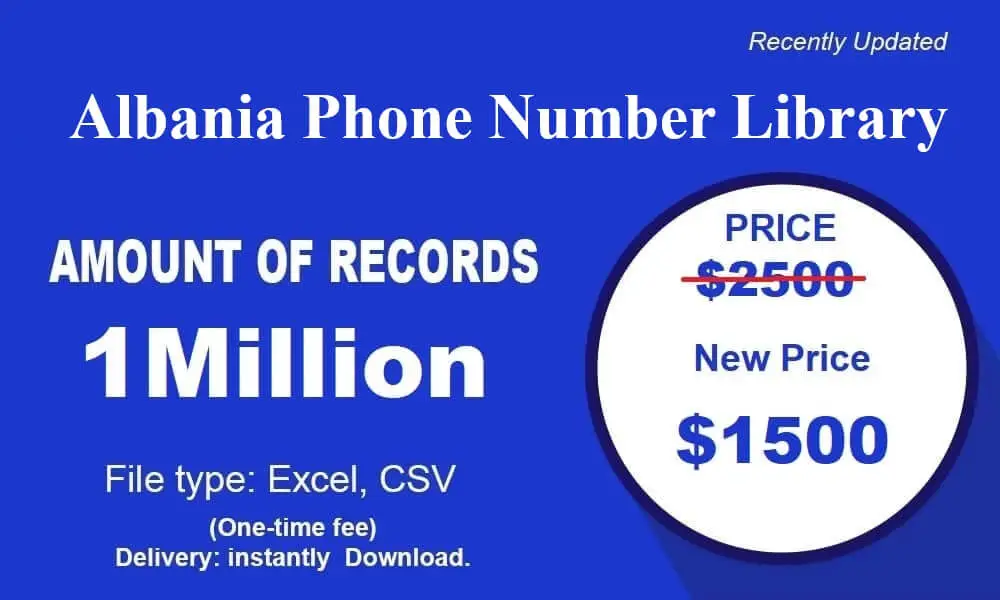
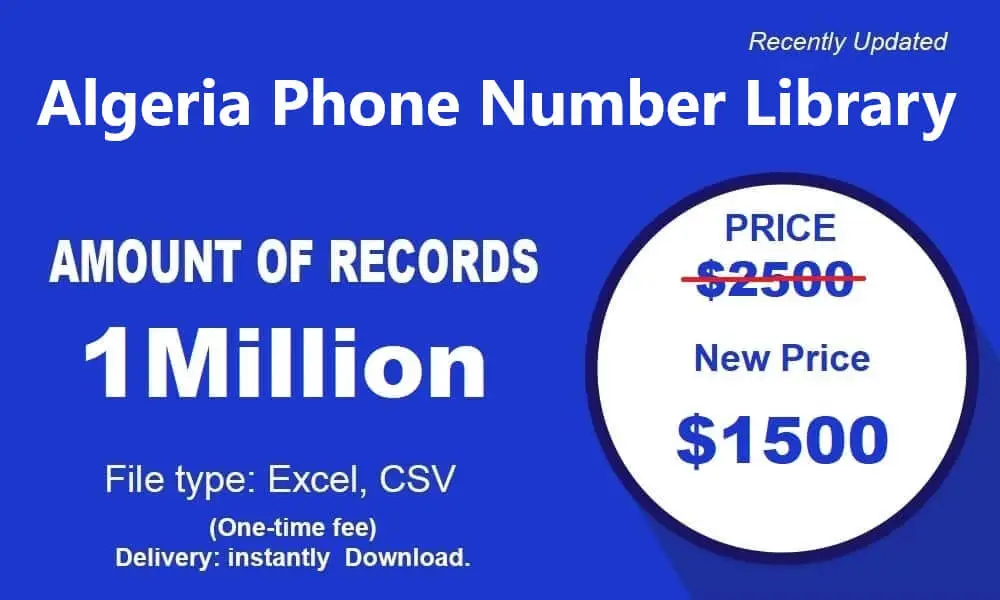
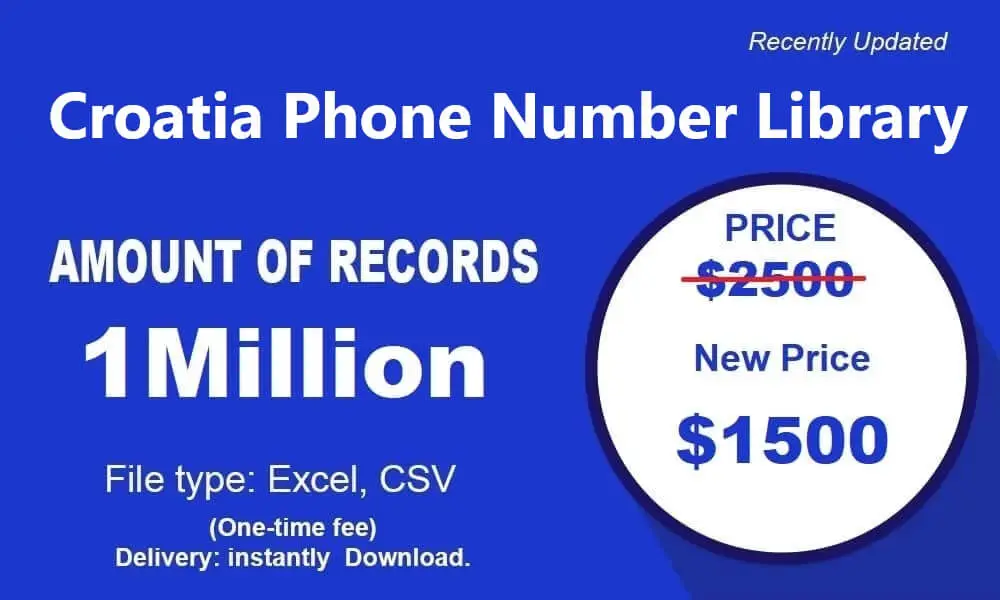
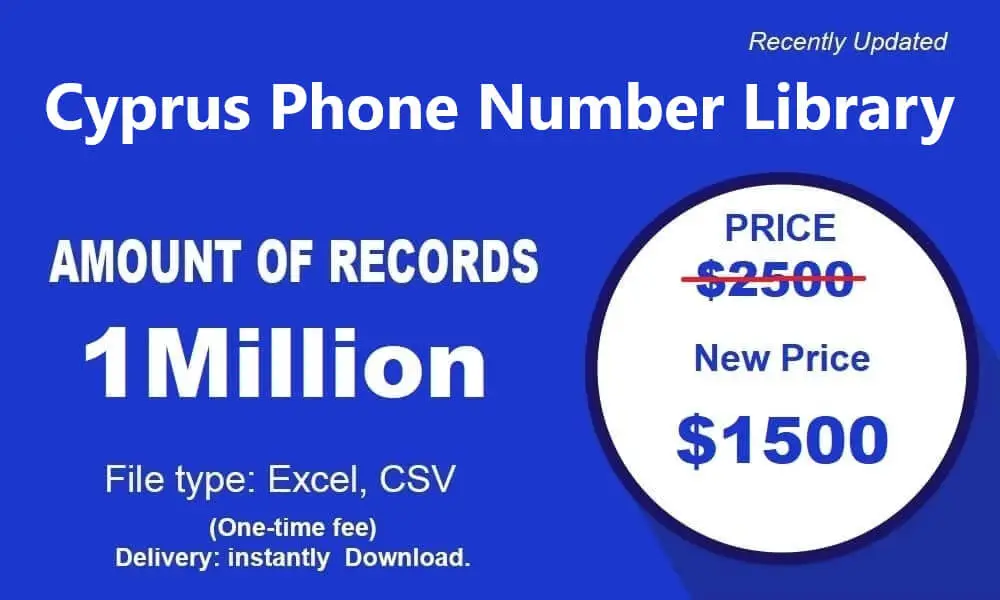
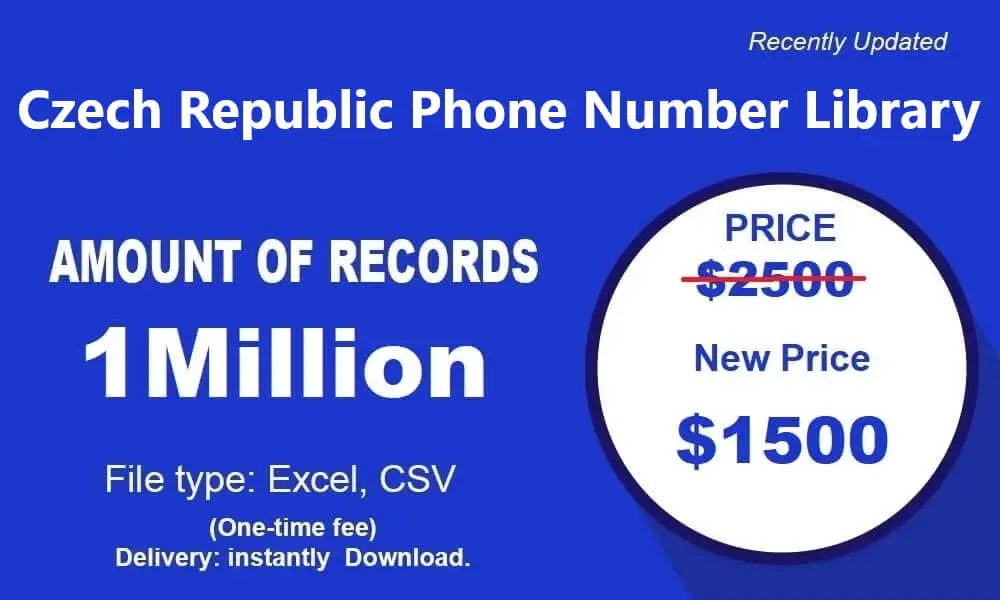
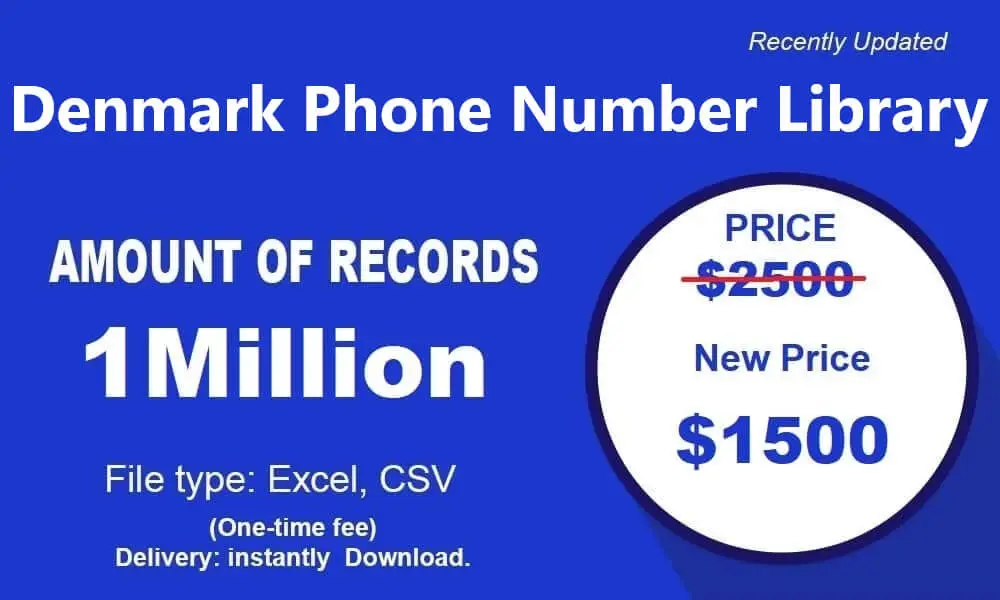
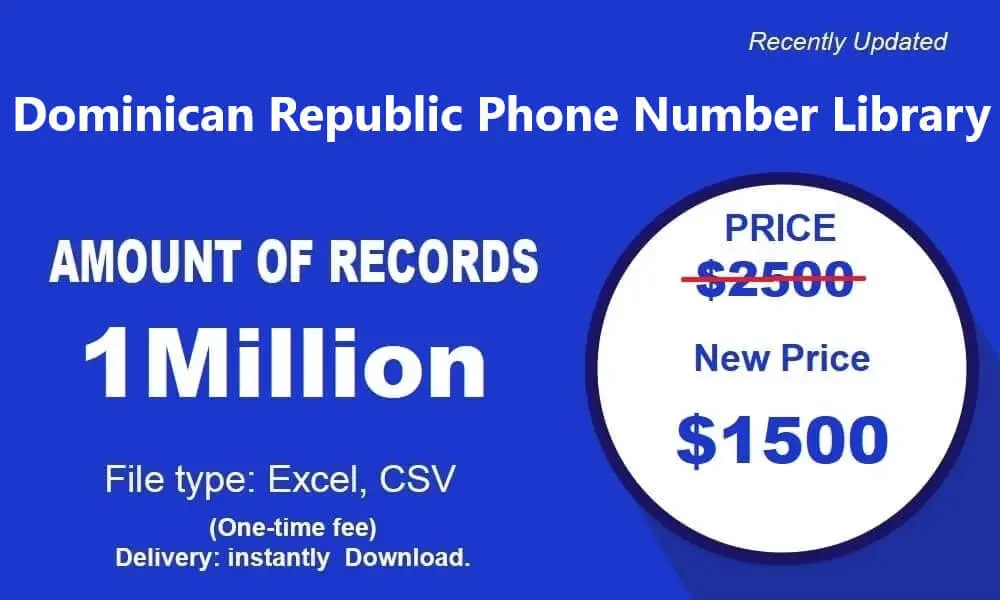
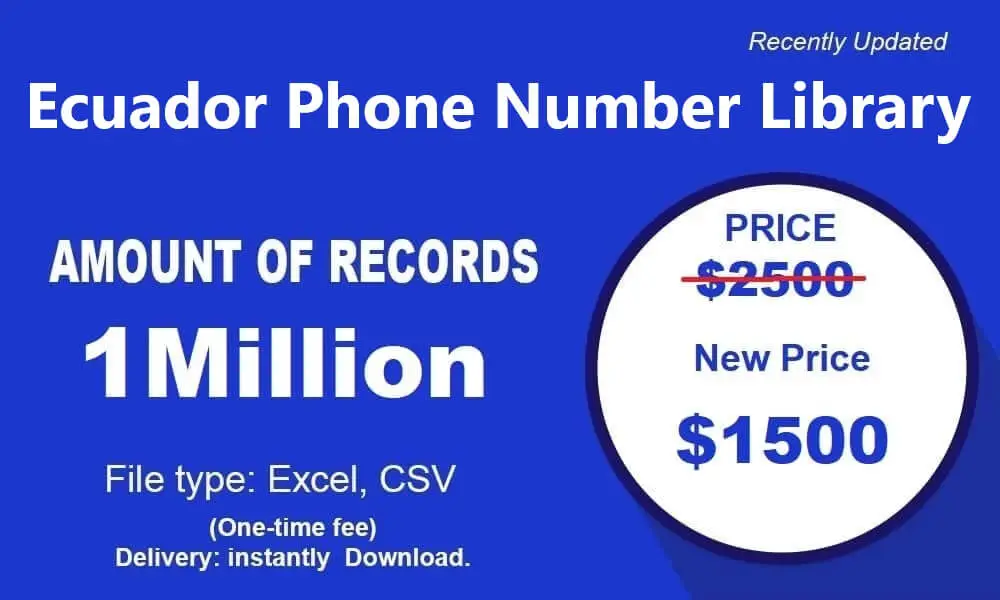
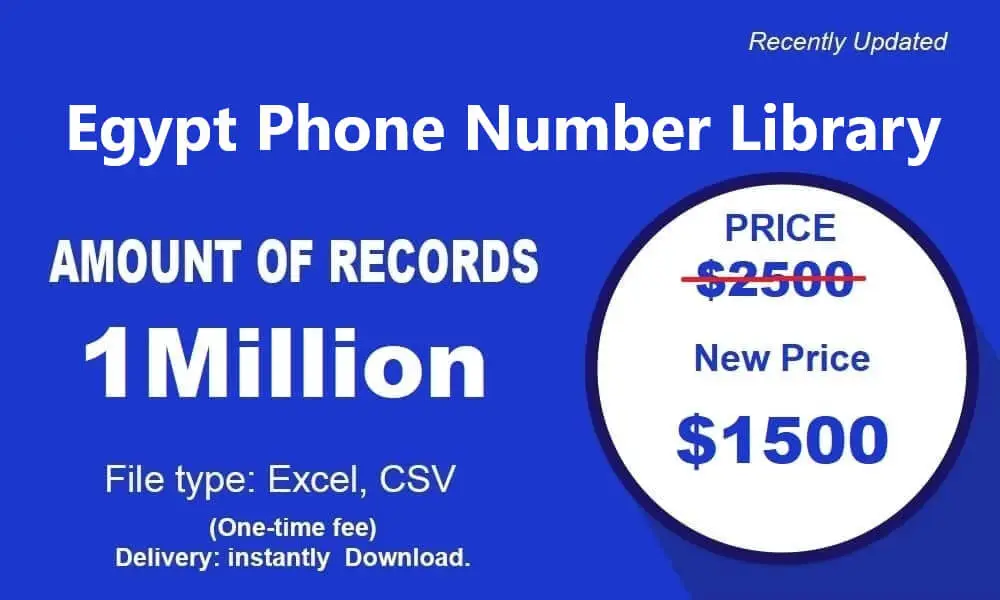
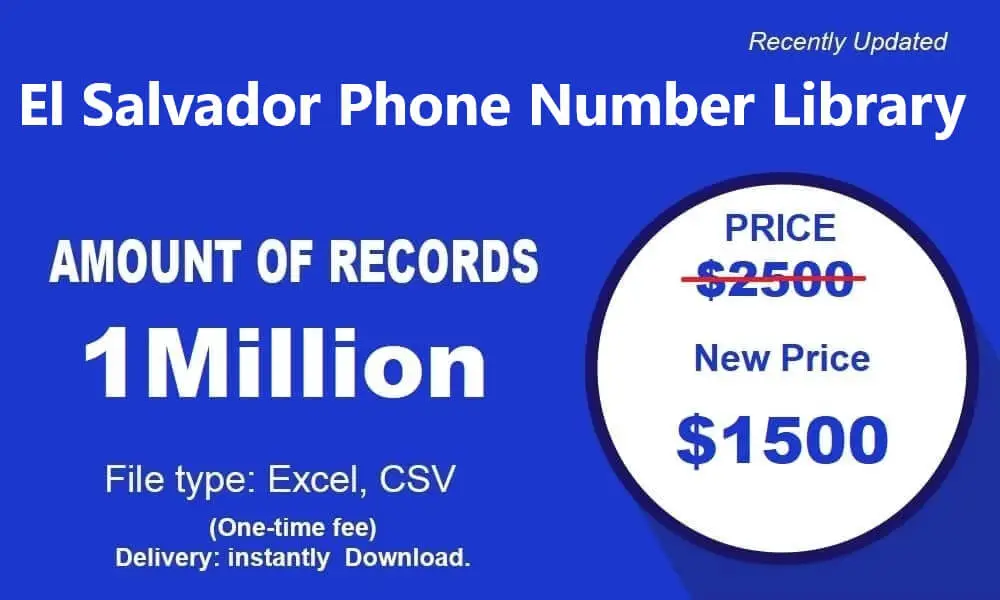
Examples of country pages you can use as starting points:
If you need a country not listed on the page, share your target country (or countries) and we will confirm availability and recommended fields.
Data quality, freshness & updates
Phone data changes constantly: numbers can be reassigned, people change providers, and businesses relocate. That is why list freshness and hygiene matter.
A maintained phone number library typically focuses on:
Regular updates to reduce stale records
Deduplication to remove repeated contacts
Formatting/normalisation for clean imports into CRMs and dialers
Suppression handling (opt-outs, internal do-not-contact, and other exclusions)
Best practice: run a smaller test segment first, track outcomes (connect rate, response rate, opt-outs/complaints), then scale the segments that perform best.
Our All Phone Number Leads
Compliance note (important)
Phone and SMS outreach is regulated and rules vary by country and channel. You are responsible for complying with applicable laws and industry rules (for example, Do-Not-Call requirements, TCPA, GDPR/UK GDPR, and local privacy/marketing regulations where relevant). Always honour opt-outs and maintain suppression lists.
How to order the right list (fast checklist)
To recommend the best dataset from the phone number library, share:
Contact us to request pricing, availability, and a sample file structure.
FAQ: phone number library
Is this the same as a phone number list by country?
Yes. A phone number library is an organised collection of country-based phone number lists, often with B2C and B2B options.
Can I request a custom segment?
Yes. Share your target country, location filters, and (for B2B) industry/category requirements, and we will confirm availability.
Can I use these lists for SMS marketing?
SMS rules vary by country and platform. Make sure you have the correct permissions/consent where required, and always include opt-out handling.
What is the best way to start for highest ROI?
Start with a smaller, highly targeted segment (country + city/region + B2C/B2B + industry where relevant). Test first, then scale the segments that perform best.